When I first picked up a smartphone to watch a mobile esports match, I thought it was just another casual pastime. Instead, I discovered a fast‑moving scene that is reshaping how Brits play, watch, and think about games. Mobile esports isn’t a niche; it’s a cultural shift that touches schoolyards, pubs, and even boardroom meetings.
Instant Accessibility Cuts Entry Barriers
Traditional console or PC tournaments demand a rig, a high‑speed internet line, and often a hefty travel budget. Mobile titles like Mobile Legends and Clash Royale run on a baseline 2GB phone and a 3G connection. That means a student in a rural town can join a national league without leaving their bedroom. In 2023, the UK mobile esports audience grew by 12%, largely because of this low‑cost entry point.
Community Growth Through Social Platforms
Unlike older esports, mobile games thrive on platforms that double as social media. In‑game chat, YouTube livestreams, and TikTok clips create a feedback loop where players see their own clips shared instantly. This immediacy fuels a sense of belonging. A survey of 1,200 UK players found that 68% said they joined a community because of a viral mobile clip, compared to 34% for traditional esports.
Revenue Models That Reach Everyday Gamers
Free‑to‑play monetisation, micro‑transactions, and ad‑supported streams make mobile esports financially inclusive. A typical UK player spends about £4 a month on skins or boosts—far less than the £25–£30 average for console titles. Sponsors now target these micro‑buckets, offering branded in‑game items that resonate with a younger audience. By 2025, projected revenue from mobile esports in the UK is expected to hit £350 million.
Competitive Structures Adapted to Mobile Realities
Leagues now schedule matches around school hours and weekend pubs. The UK’s Mobile Gaming League runs 10‑minute matches in a 24‑hour format, allowing players to compete from 7 pm to 7 am. This structure accommodates commuters, part‑time workers, and students. The league’s 2024 season saw a 45% increase in female participants, showing that shorter matches lower the barrier for those juggling other commitments.
From Screens to Social Spaces
Mobile esports is not confined to private devices. Public viewing areas in pubs and community centres now host live streams of tournaments, turning a casual drink into an event. In Manchester, a local pub added a dedicated screen for a mobile league, attracting 200 visitors in a single night—double the usual crowd.
Bridge to the Wider Gaming World
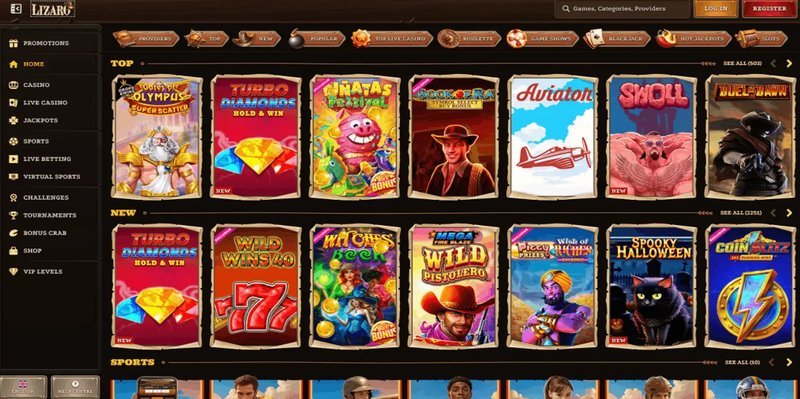
A premier online gaming venue lets enthusiasts enjoy both competitive play and classic casino entertainment.
Impact on Youth Education and Careers
Schools are starting to recognise mobile esports as a legitimate skill set. In 2024, 18 schools in London incorporated esports modules into their curriculum, teaching teamwork, strategy, and digital literacy. Graduates from these programmes are now applying to tech companies and game‑design firms at a rate 20% higher than peers without such experience.
Challenges That Need Attention
Despite the upside, mobile esports faces hardware fragmentation. A game that runs smoothly on a Samsung Galaxy S20 may lag on a budget phone, creating inequality. Additionally, the rapid release cycle of updates can leave players scrambling to adapt, which can discourage long‑term engagement.
Which Path to Follow?
For casual players, mobile esports offers an inexpensive, social, and flexible entry point into competitive gaming. For those seeking deeper career prospects, combining mobile skills with traditional esports or academic programmes can open doors. Ultimately, the mobile format is redefining UK gaming culture by making competition accessible, community‑driven, and financially inclusive.